My Anti-Racism
I went to Alabama in 2020 with a mindset of white, privileged curiosity and the desire to tell a story about ‘somewhere else’ that I believed should be told. But the experience has taken me on a much deeper journey back into hard truths not only about British Imperialism, our own dark past and how we have turned a blind eye to our legacy. But also about me. My past, my education, my opportunities, my unconscious racism and my ever expanding understanding of the enormity of the change required to bring about greater equality. I returned from Alabama convinced of my need to learn and relearn- to understand and to contribute to change.
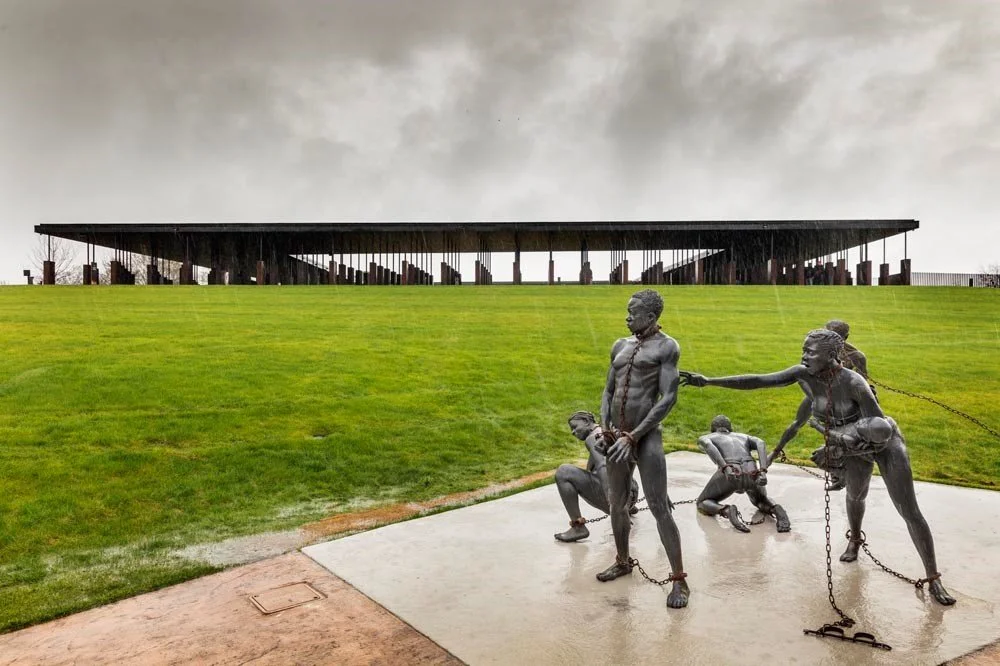
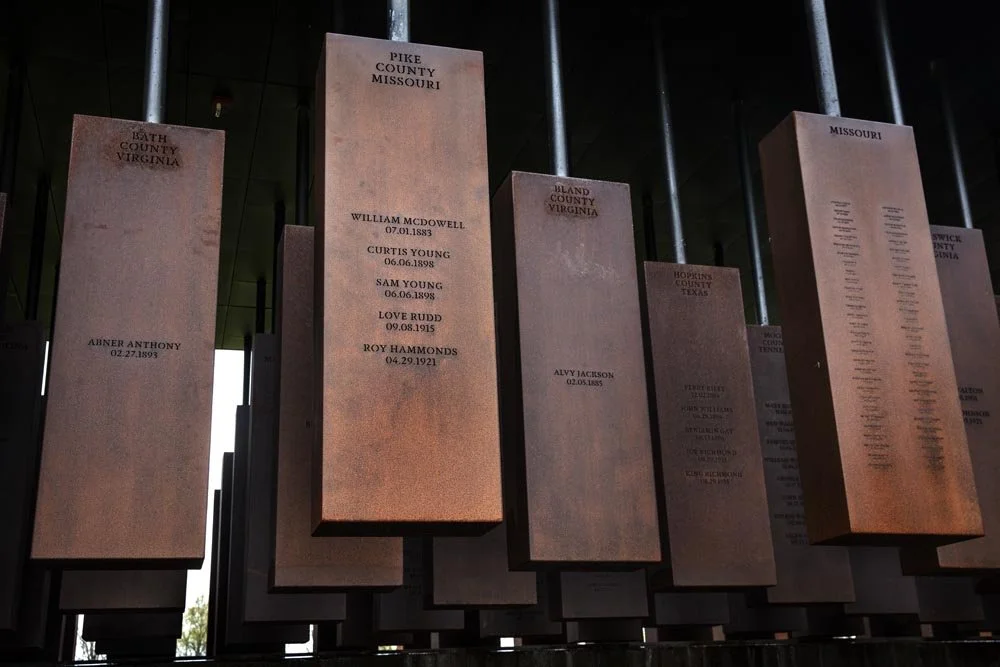
My mindset shifted once I began to examine the realities of my white perspective: to realise how much work I needed to do as a white person looking through the lens of privilege, shame, defensiveness, fear and lack of significant knowledge. And I don’t see that as frailty but as a challenge to learn and share with other white people. We need to be much closer to all aspects of our past, to confront and acknowledge them. We need to process these experiences in our bodies as well as into our minds in order for them to disturb us enough to fight for change. As activist Layla Saad rightly points out: we have to do the work ourselves as white supremacists and not expect praise or gratification. The journey, she says, to be a good ancestor requires truth, commitment and, I would add, the courage to love on a greater scale than we have ever done.
Sadly I noticed I was becoming ill in 2023 and had to abandon both my Empire project (an attempt to bring evidence of the enormity of Empire back into the streets and buildings of Great Britain) as well as training in holding race conversations. This is a big regret. I was pleased to be able to pursue some writing and also to share some recommendations for learning in these harsh and uncertain times.